

From Assisted to Independent: Helping a Disabled Veteran Move with Dignity and Care
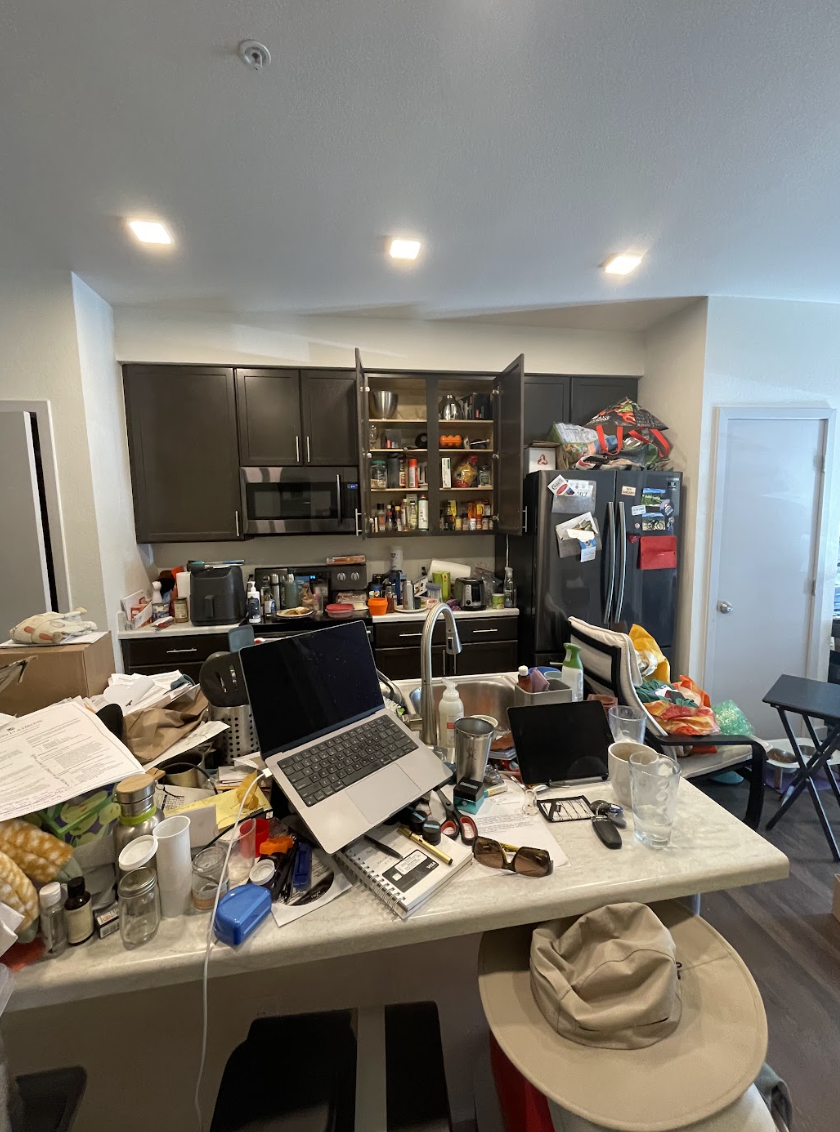
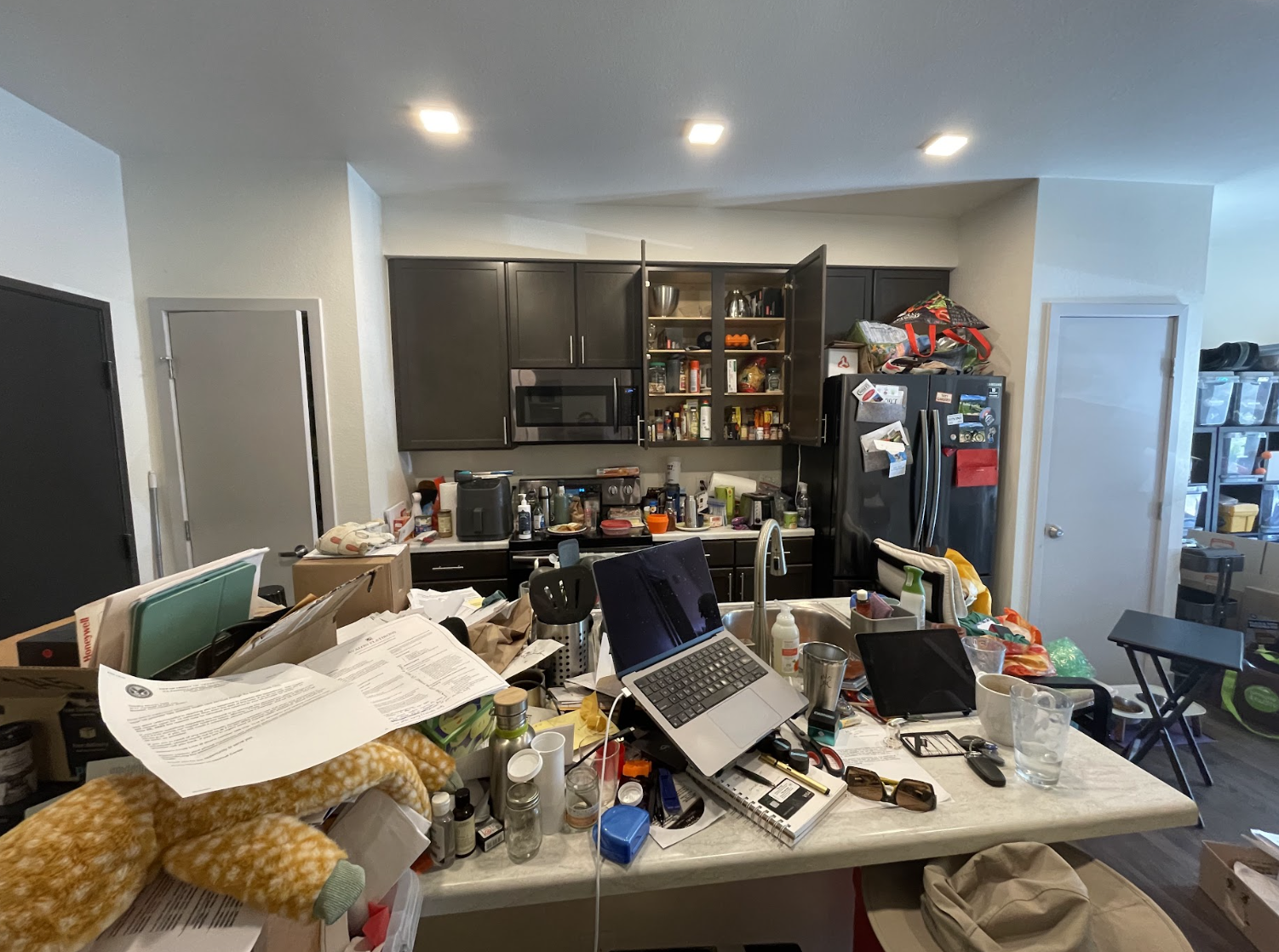
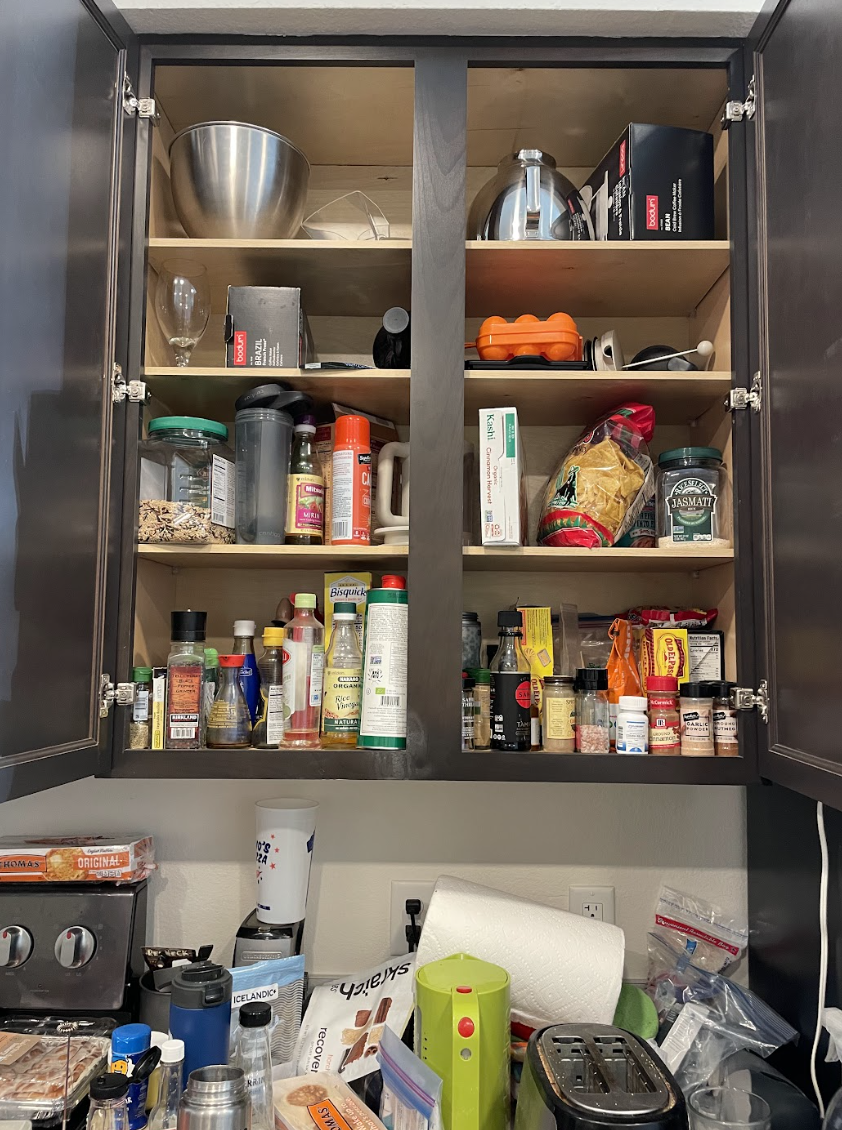
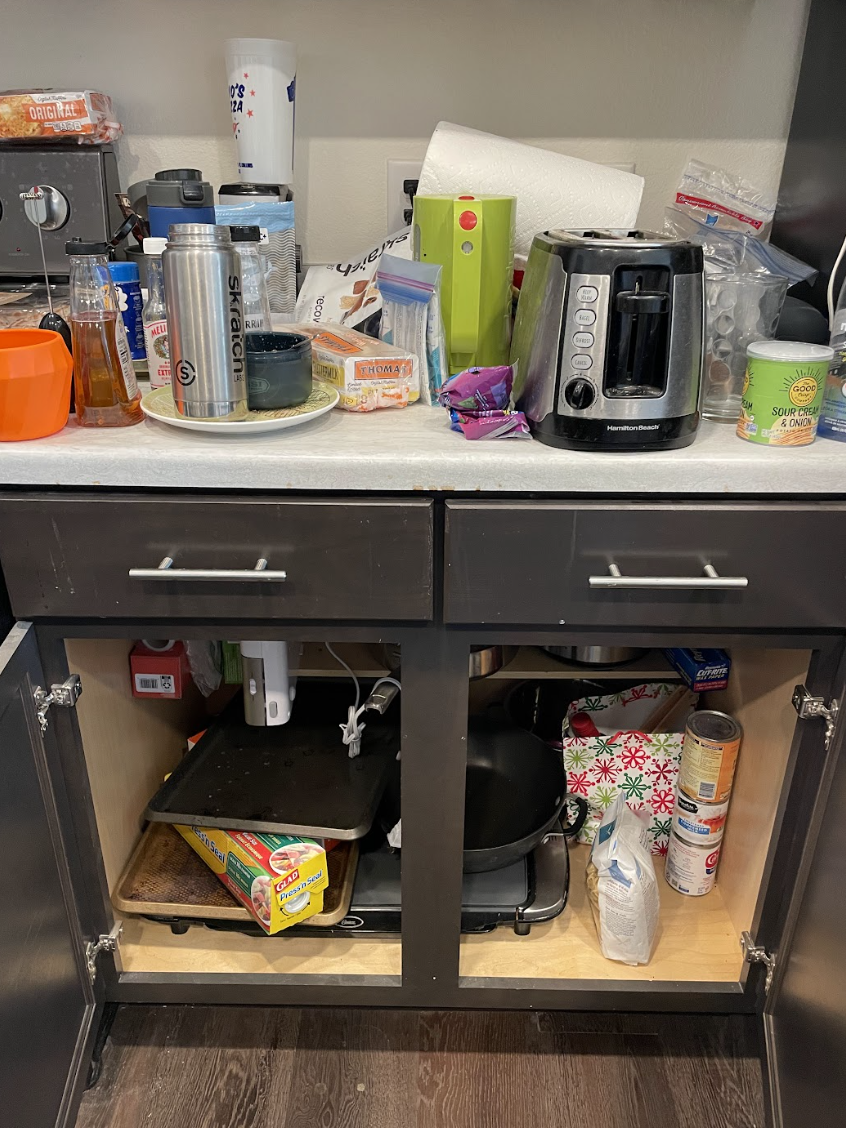
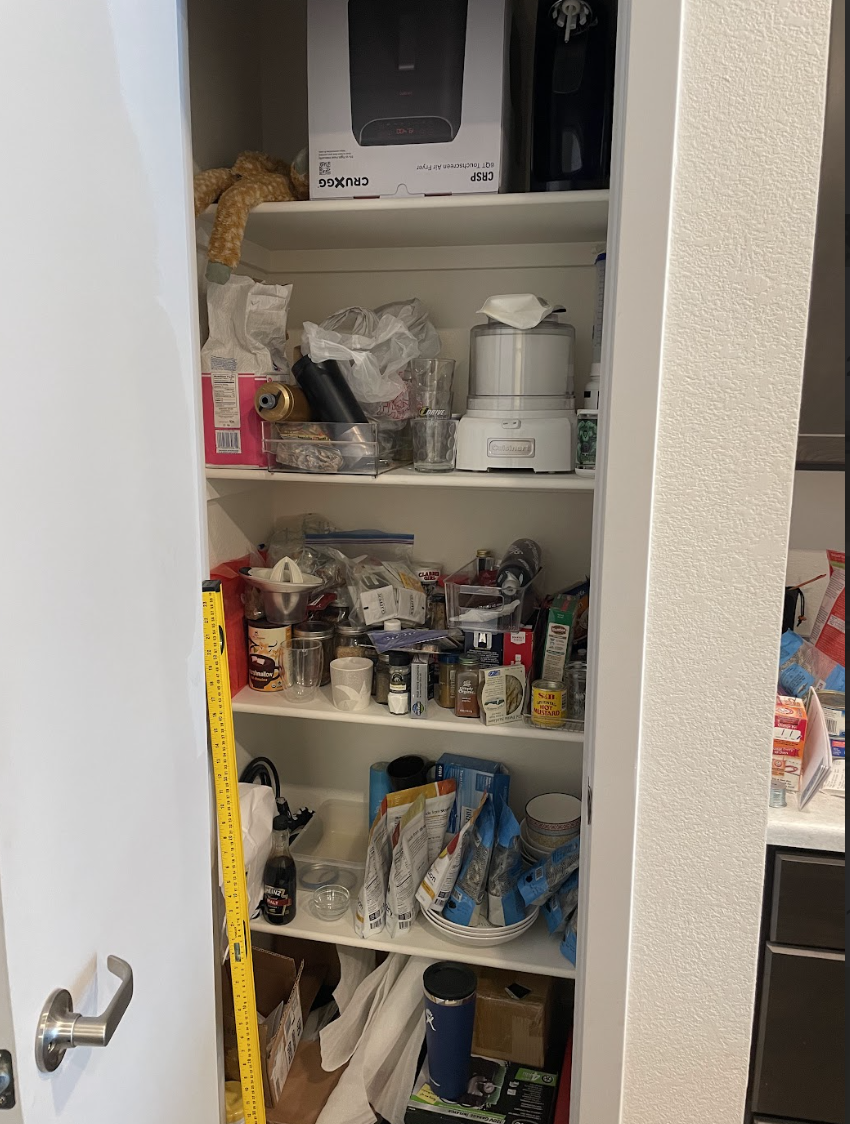
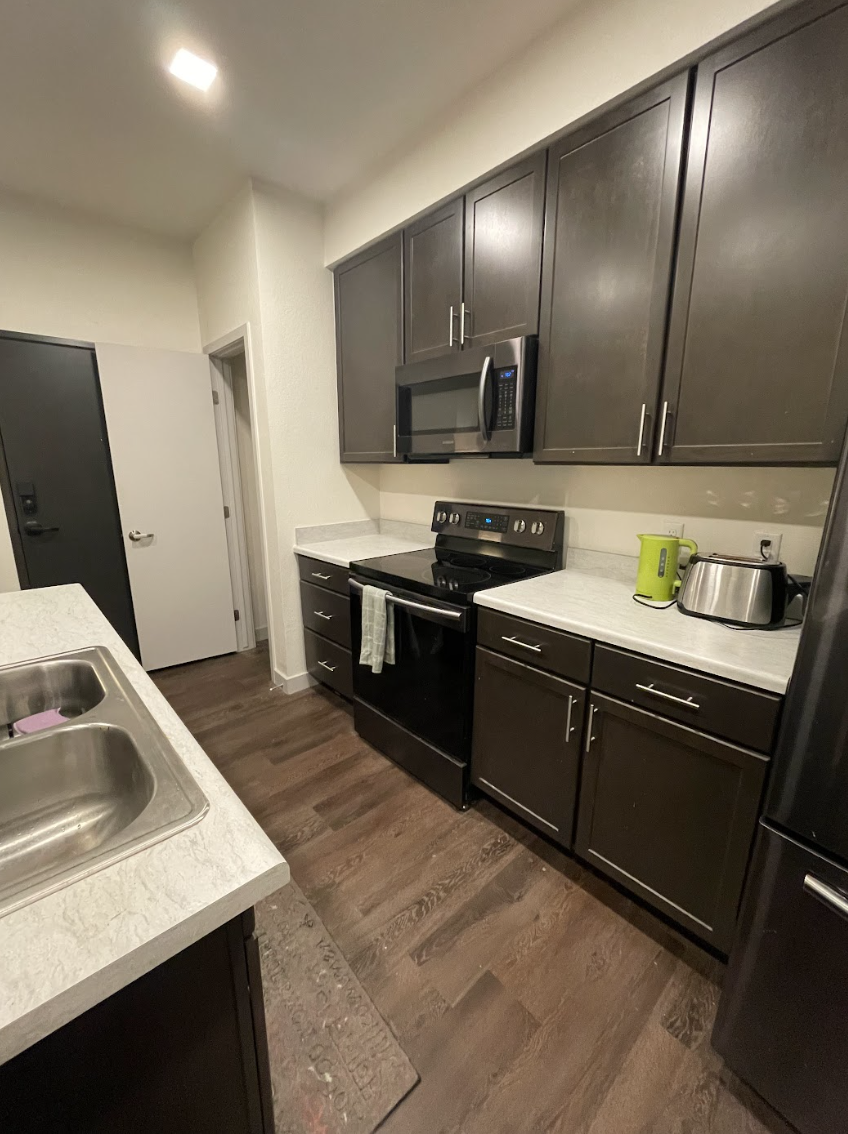
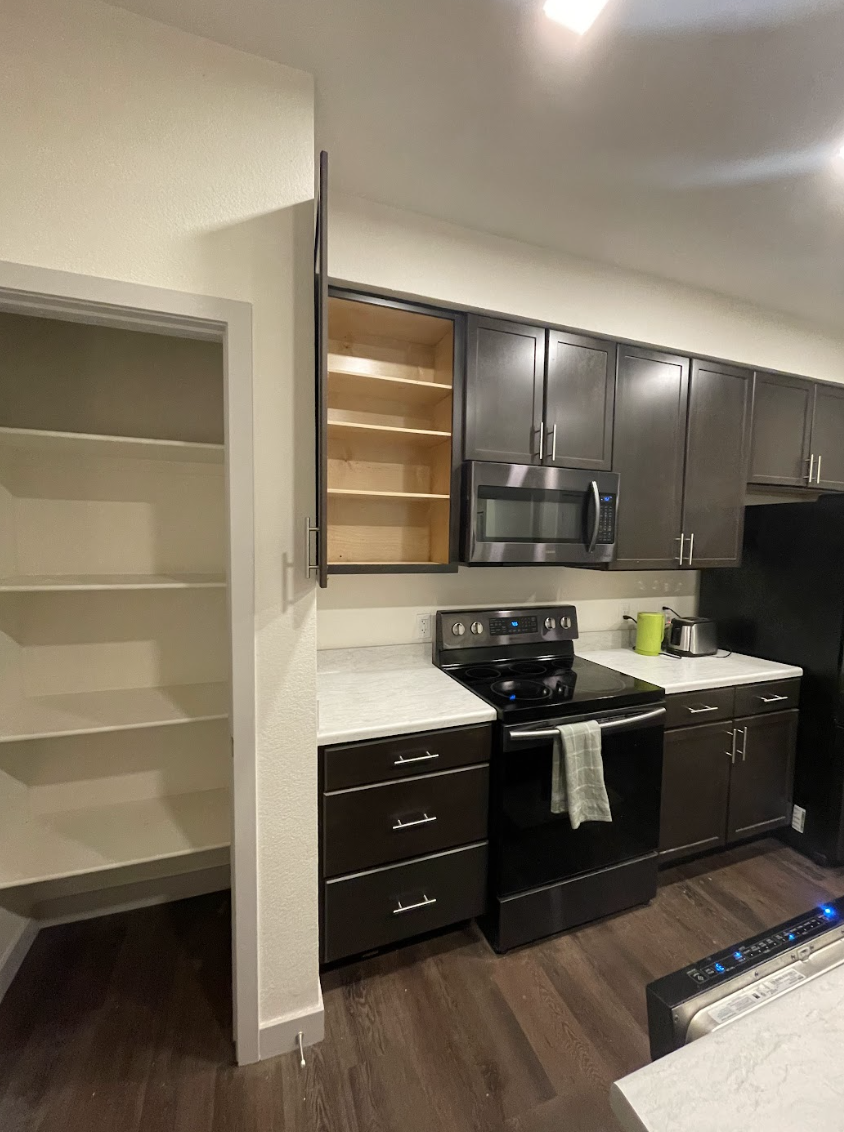
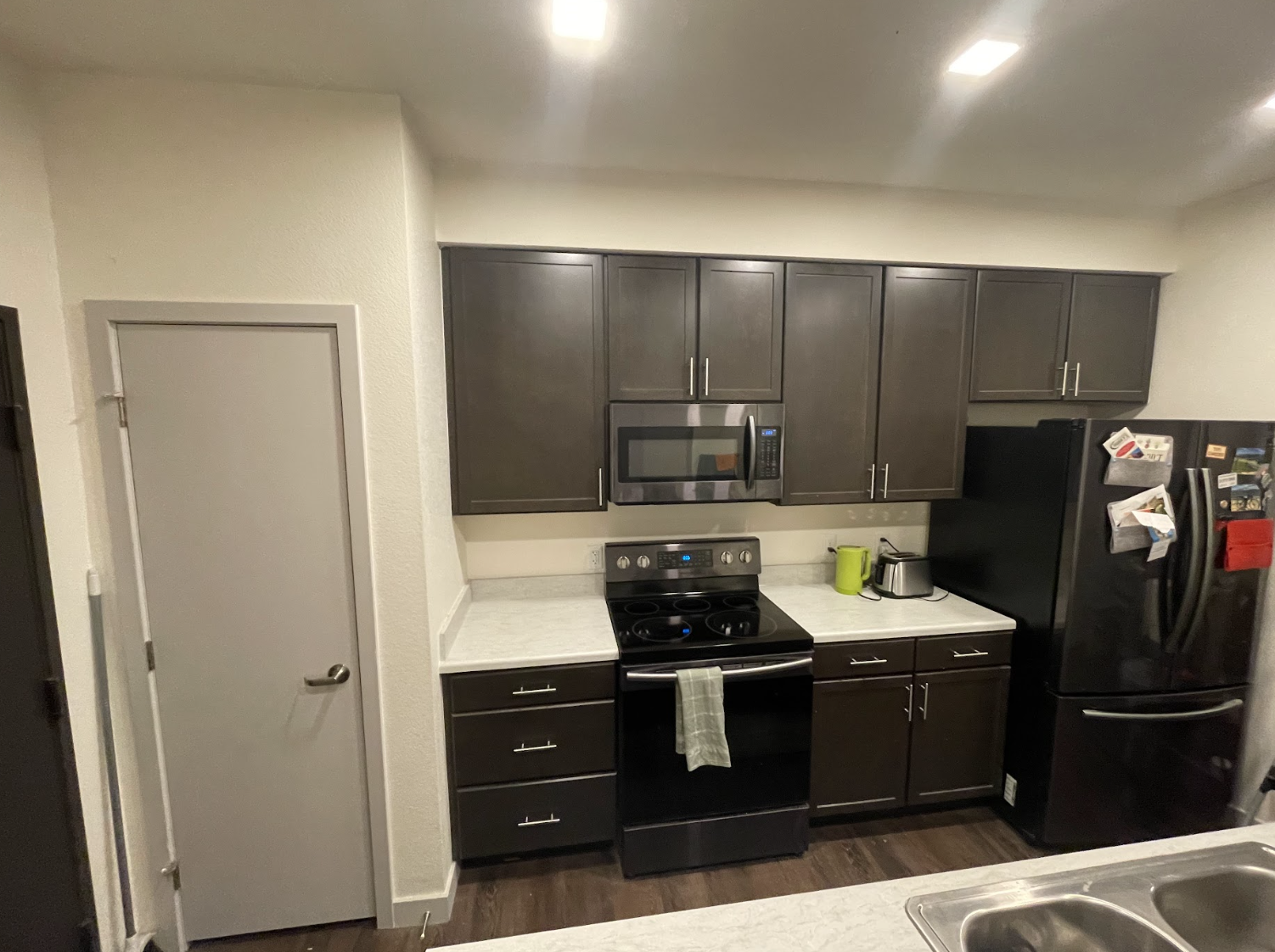
When a disabled veteran makes the shift from assisted living to independent living, it’s not just a move—it’s a powerful reclaiming of autonomy. But getting there takes more than boxes and bubble wrap. It requires patience, planning, and thoughtful support—especially when it comes to decluttering, organizing, and setting up a space that’s both functional and empowering.
Here’s how I helped one veteran take this big step with confidence and care.
Step 1: Start with Conversations, Not Cardboard Boxes
Before anything got packed, we spent time understanding his needs, routines, and hesitations. What did “independent living” mean to him? What tasks were manageable solo, and where might adaptive tools or small changes make a big impact? This kind of conversation isn’t just logistical—it’s respectful. It allows the veteran to lead the process rather than be sidelined by it.
Step 2: Decluttering with Respect and Purpose
I approached the decluttering phase with one guiding principle: keep what serves and honors the life ahead. We worked room by room, with plenty of breaks and space for storytelling. Military memorabilia was treated with care, duplicate kitchen tools were pared down, and each item was either packed with intention, donated to a local veterans’ support org, or discarded if truly no longer useful.
The goal wasn’t minimalism—it was clarity, ease of access, and emotional lightness.
Step 3: Organizing for Function, Not Just Aesthetics
Independent living means the home needs to work with someone—not against them. That meant prioritizing:
Accessible storage: Items used daily were stored at waist height or lower.
Clear pathways: No tripping hazards. Open floor plans. Mobility aids accounted for.
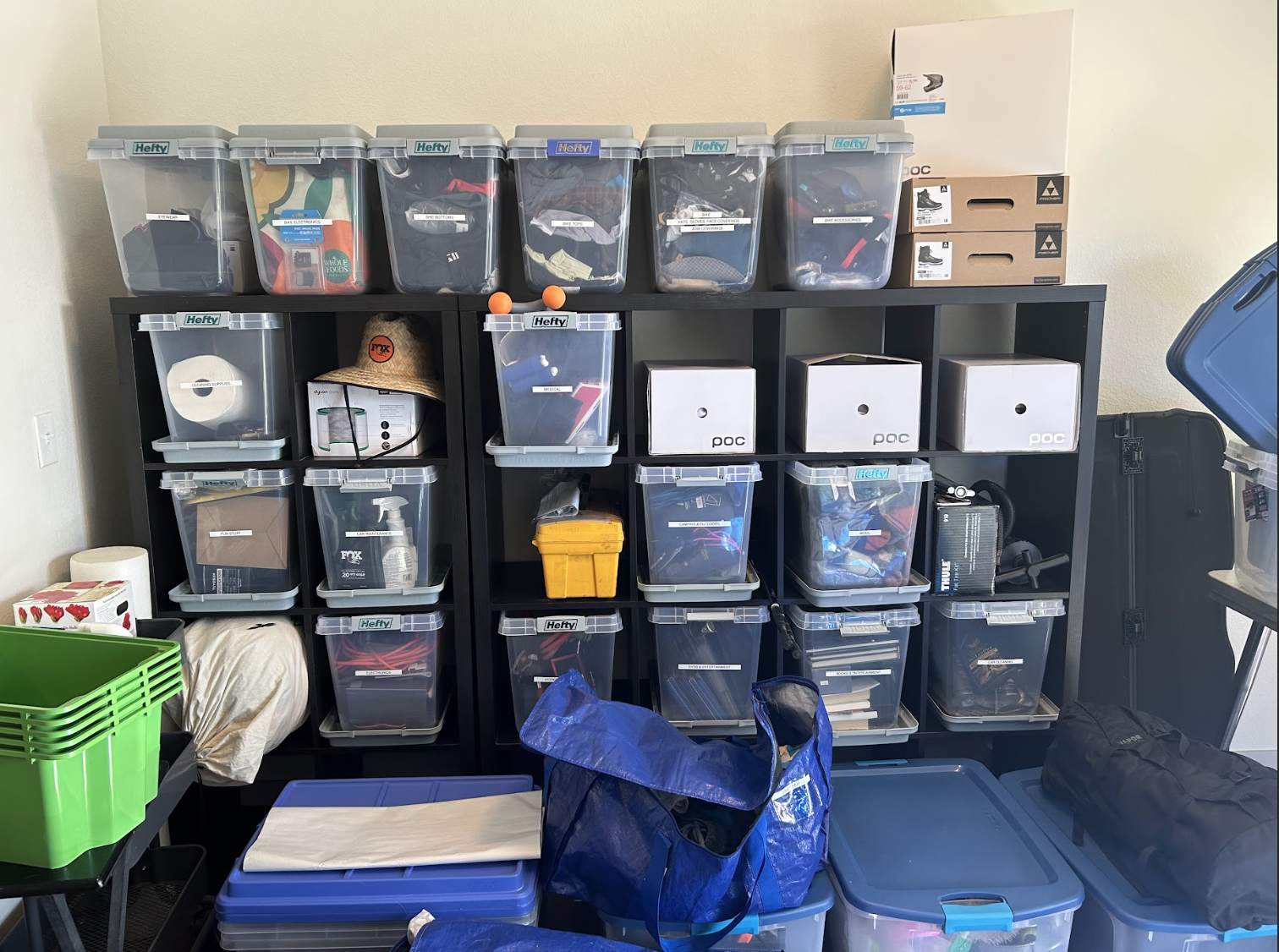
Zoning: We used labeled bins and drawer dividers to group like-with-like—especially in the kitchen and bathroom, where function matters most.
A place for everything: That makes it easier to maintain independence long after move-in day.
Step 4: Leaving Space for the Future
The final step? Leaving room. Not just physically, but emotionally. Moving into independence isn’t a one-and-done task—it’s an evolution. So we made sure to check in after the move, offer follow-up help, and remind him (and ourselves) that letting someone live on their terms is the best kind of support you can offer.
If you’re helping a veteran—or anyone—transition into independent living, remember: it’s not just about where they’re going, but how you help them get there. One box, one shelf, one thoughtful step at a time.
